
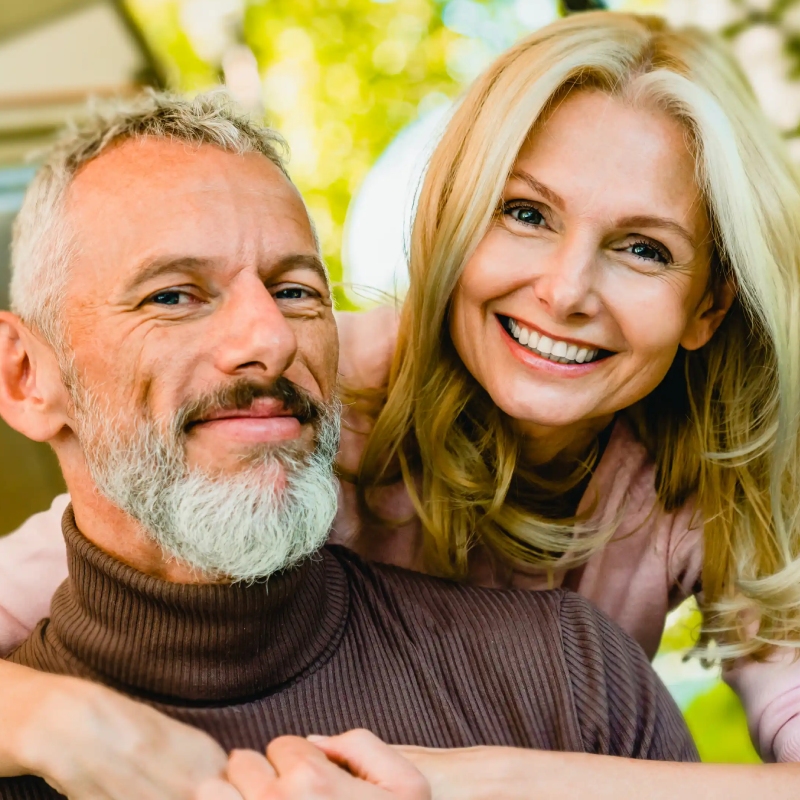
Building New Bonds Through Dating After Losing A Spouse
Essential Steps For Dating After Losing A Spouse
Starting to date again following the loss of a spouse can feel overwhelming. You might wonder if you're ready or how to even begin meeting people who understand your experience. Widows Dating Online offers a compassionate space designed specifically for individuals navigating this path. This platform recognizes the unique emotional landscape you're in and provides tools to help you connect at your own pace.
Exploring the concept of Dating After Losing A Spouse involves more than just creating a profile. It's about understanding your emotional readiness and setting boundaries that feel right for you. Many find that taking small, intentional steps helps build confidence. You don't need to rush into anything; giving yourself permission to move slowly can make the process feel more manageable.
How do you know when you're emotionally prepared to start dating? There's no universal timeline, as grief follows its own course for everyone. Some people feel ready after a year, while others need more time. Pay attention to your feelings. Are you thinking about companionship because you feel lonely, or because you genuinely want to share your life with someone new? Reflecting on these questions can provide clarity.
Setting clear intentions before you begin can guide your experience. Are you looking for casual friendship, a serious relationship, or something in between? Being honest with yourself about what you want helps you communicate your needs to potential partners. This honesty also allows you to recognize when someone aligns with your goals.
Creating an online dating profile might feel daunting. Focus on presenting your authentic self rather than crafting a perfect image. Share interests that bring you joy, and consider mentioning your loss in a way that feels comfortable. You control how much you disclose initially. Many people appreciate a brief, honest mention that opens the door for deeper conversations later.
Choosing the right platform matters. Widows Dating Online connects you with others who have experienced similar loss, which can reduce the need to explain your background repeatedly. This shared understanding often creates a stronger foundation for connection from the start.
When you start communicating with potential matches, keep initial conversations light. Discuss hobbies, favorite books, or travel dreams. These topics help you learn about someone's personality without immediately diving into heavy emotional territory. If the connection feels promising, you can gradually share more about your life experiences.
Planning a first meeting requires thoughtful consideration. Opt for a public place during daylight hours for safety. Choose an activity that allows for conversation, like coffee or a walk in the park. Keeping the first encounter brief—an hour or two—gives you both space to reflect afterward.
Managing expectations is crucial. Not every date will lead to a lasting connection, and that's perfectly normal. View each interaction as practice in socializing and learning what you want in a partner. Every conversation teaches you something new about yourself and your preferences.
Balancing memories of your late spouse with new relationships takes sensitivity. It's possible to honor your past while being open to future happiness. Many people find that talking about their late spouse with a new partner, when the time feels right, helps build trust and understanding.
Dealing with reactions from family and friends requires patience. Some may enthusiastically support your decision to date, while others might express concern. Remember that their responses often come from a place of love and protection. Having open conversations about your needs can help them understand your perspective.
Recognizing red flags protects your emotional well-being. Be cautious of anyone who pressures you to move faster than you're comfortable with, dismisses your feelings about your loss, or seems overly critical. Trust your instincts—if something feels off, it probably is.
Building emotional resilience helps you handle the ups and downs of dating. Not every match will work out, and that's okay. Each experience teaches you more about what you're looking for and helps you grow more confident in expressing your needs.
Integrating Dating After Losing A Spouse into your life means finding balance. Make time for self-care, maintain friendships, and pursue personal interests alongside dating activities. This balanced approach prevents dating from becoming your sole focus and reduces pressure.
Communicating your boundaries clearly creates healthier relationships. If you need to take things slowly, say so. If certain topics feel too sensitive to discuss early on, express that kindly. Most understanding people will respect your limits when you communicate them openly.
Handling guilt is a common challenge. Remember that seeking happiness doesn't diminish the love you shared with your late spouse. Many people find that their spouse would have wanted them to find joy again. Giving yourself permission to experience new connections honors your capacity for love.
Developing a support system makes the journey easier. Connect with friends who understand your situation or join a support group where you can share experiences. Having people to talk with provides perspective when you face difficult moments.
Recognizing progress, no matter how small, builds confidence. Maybe you created a dating profile, sent your first message, or went on a coffee date. Celebrate these steps as achievements in your personal growth journey.
When you face discouragement, remind yourself why you started. Reconnect with the hope that led you to explore dating again. Taking a break when needed is perfectly acceptable—you set the pace that works for you.
Understanding the principles behind Dating After Losing A Spouse helps you navigate with greater awareness. This approach emphasizes emotional readiness, clear communication, and self-compassion throughout the process.
Practical considerations deserve attention too. Think about how dating fits into your daily routine, financial aspects of dating activities, and how you'll introduce someone to your family when the time comes. Planning for these practical elements reduces surprises later.
Embracing vulnerability while protecting your heart requires wisdom. Opening up to new people involves risk, but it also creates opportunity for genuine connection. Start with small shares and gradually increase depth as trust develops.
Learning from each dating experience helps you refine what you're looking for. After dates, reflect on what felt good and what didn't. This reflection helps you make more aligned choices moving forward.
Celebrating small victories keeps you motivated. Maybe you had a pleasant conversation with someone new or felt comfortable sharing a bit about your life. These moments represent progress in rebuilding social connections.
Remember that Widows Dating Online provides ongoing resources and community support as you navigate this journey. The platform's understanding environment can make taking those first steps feel less intimidating.
Finding joy in the process, not just the outcome, makes dating more enjoyable. Appreciate interesting conversations, learning about different people, and discovering new aspects of yourself along the way.
Trust develops gradually in new relationships. Allow connections to deepen naturally over time rather than forcing intimacy. This gradual approach often leads to more authentic and lasting bonds.
Your unique journey deserves respect and patience. There's no right or wrong way to approach dating after loss—only what feels authentic to you. Listening to your inner voice guides you toward connections that truly fit your life.