
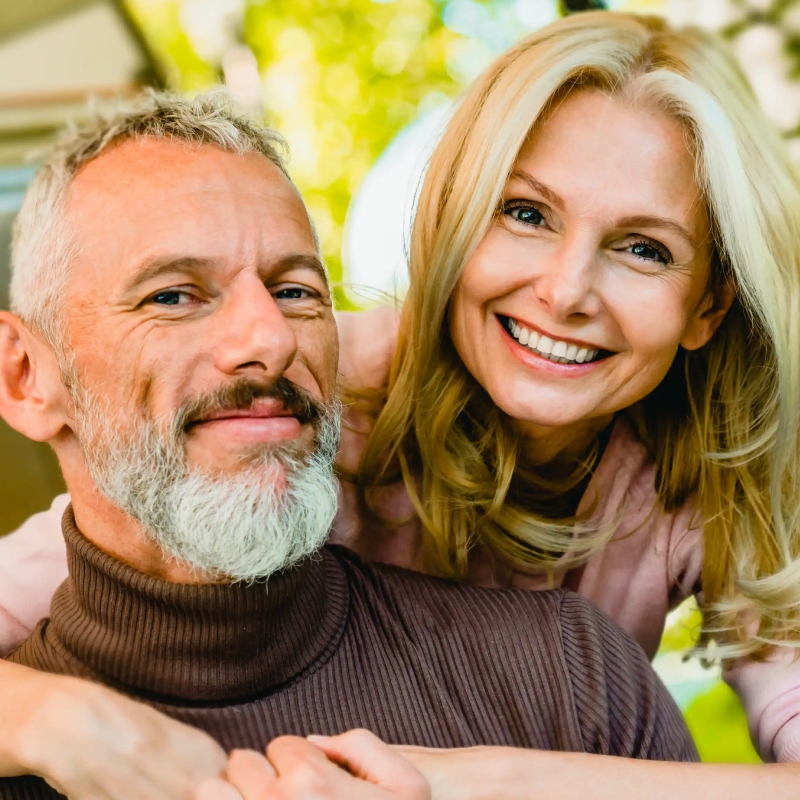
Navigating New Relationships After Losing A Spouse
Essential Steps For Dating After Losing A Spouse
Starting to date again following the loss of a spouse can feel overwhelming, but you're not alone in this journey. Many find that connecting with others who understand this specific experience makes the process feel more supportive. Widows Dating Online offers a dedicated space where you can meet people who share a similar background, helping to build connections at your own pace. This platform focuses on creating a respectful environment for those looking to explore new relationships.
When you consider Dating After Losing A Spouse, it's normal to have mixed emotions. You might feel ready for companionship but unsure about how to begin. Taking small, manageable steps can help you navigate these feelings. Remember, there's no single right timeline for everyone; what matters most is what feels comfortable for you.
Before creating a dating profile, spend some time reflecting on what you hope to find. Are you looking for friendship, casual dates, or a long-term partnership? Being clear about your intentions can guide your interactions and help you communicate your needs. This clarity also makes it easier to recognize potential matches who share similar goals.
Choose a platform that aligns with your comfort level. Some websites cater specifically to widows and widowers, while others are more general. Widows Dating Online is designed with your experience in mind, offering features that prioritize safety and genuine connection. Reading reviews or trying a free trial can give you a sense of the community before committing.
Your profile is your first impression, so make it authentic. Share a bit about your interests, values, and what you enjoy doing. You don't need to disclose personal details about your loss immediately if you're not ready. Instead, focus on positive aspects of your life and what you're looking forward to. A friendly photo where you feel comfortable can make your profile more inviting.
When messaging someone, start with light, open-ended questions. Ask about hobbies, favorite books, or travel experiences. This approach keeps the conversation flowing naturally and helps you learn about the other person. Avoid putting pressure on yourself or the other person; think of early chats as a way to see if you click.
Meeting in person for the first time can bring up nerves. Plan a short, low-pressure activity like coffee or a walk in a public park. Let a friend or family member know where you'll be and when you expect to return. Trust your instincts—if something doesn't feel right, it's okay to politely end the date early.
Balancing memories of your late spouse with new relationships is a personal process. Some people find it helpful to talk about their loss when they feel a connection is developing, while others prefer to keep it private initially. There's no rulebook here; do what feels right for you and your potential partner.
Be patient with yourself as you explore Dating After Losing A Spouse. It's common to experience moments of guilt or sadness, even when you're enjoying someone's company. These feelings don't mean you're doing something wrong; they're a natural part of grieving while moving forward.
Building a new relationship takes time. Focus on developing trust and understanding gradually. Share stories, listen actively, and celebrate small milestones together. Healthy connections often grow from mutual respect and shared experiences.
Online dating platforms can offer various tools to enhance your experience. Widows Dating Online provides resources like blog articles, community forums, and safety tips to support members. Using these features can help you feel more confident as you navigate the dating world.
Consider what you've learned from your past relationship. Perhaps you value communication more deeply or have a clearer sense of partnership. These insights can guide you toward relationships that align with your current needs and values.
It's okay to take breaks when you need them. If dating starts to feel stressful or exhausting, step back for a while. Recharge by spending time with friends, pursuing hobbies, or simply relaxing. You can always return when you feel refreshed and ready.
Safety should always be a priority. Never share financial information or send money to someone you've met online. Keep personal details like your home address private until you've established trust. Most reputable platforms have reporting systems for suspicious behavior.
What if a date doesn't go as hoped? Not every connection will work out, and that's normal. Treat it as a learning experience rather than a failure. Each interaction teaches you more about what you're looking for in a partner.
Involving family and friends can provide valuable support. Some people find it helpful to discuss their dating experiences with trusted loved ones. Others prefer to keep this part of their life private until they feel more certain. Choose the approach that suits your relationships.
Exploring Dating After Losing A Spouse might lead you to discover new aspects of yourself. You could develop interests you hadn't considered before or gain confidence in social situations. Embrace these personal growth opportunities.
Remember that compatibility goes beyond shared experiences. While connecting with another widow or widower can provide immediate understanding, look for someone who shares your values, sense of humor, and life vision. Lasting relationships often thrive on these deeper connections.
Managing expectations is key. Not every date will lead to a serious relationship, and that's perfectly fine. Some encounters might result in friendship, while others simply offer pleasant conversation. Appreciate each interaction for what it brings.
If you're feeling uncertain, consider joining a support group for widows and widowers who are dating. These groups provide a space to share experiences and advice with people who truly understand. Many find this reduces feelings of isolation.
Your emotional well-being matters throughout this process. Pay attention to how dating affects your mood and stress levels. If you notice persistent negative feelings, it might be time to reassess your approach or take a longer break.
Celebrate your courage in taking this step. Putting yourself out there after loss requires strength and resilience. Acknowledge your progress, whether it's creating a profile, going on a first date, or simply considering the possibility.
What makes a dating profile stand out?
Authenticity attracts genuine connections.
Clear photos showing your personality help.
Specific interests give people conversation starters.
A positive tone makes your profile welcoming.
Honesty about what you're looking for sets clear expectations.
How can you handle difficult emotions during dates?
Practice deep breathing if you feel anxious.
Remind yourself that it's okay to feel multiple emotions.
Focus on the present moment rather than past memories.
Give yourself permission to leave if you're uncomfortable.
Talk to a supportive friend after the date if needed.
What are signs of a healthy new relationship?
You feel respected and heard.
Communication feels easy and open.
You can be yourself without pretending.
Your boundaries are honored.
You look forward to spending time together.
How do you know when you're ready to date?
You feel curious about meeting new people.
The idea brings more excitement than dread.
You've processed your grief enough to make space for new experiences.
You're not trying to replace your late spouse.
You have emotional support from friends or family.
What should you avoid in early dating conversations?
Comparing new people to your late spouse.
Oversharing traumatic details immediately.
Making assumptions about the other person's experience.
Focusing only on past relationships.
Putting pressure on defining the relationship too soon.
Dating after loss is a journey of rediscovery. You're not erasing your past but creating a new chapter that honors your history while embracing future possibilities. Each step you take builds confidence and clarity about what you want moving forward.
Technology has made it easier to connect with people who share specific life experiences. Specialized platforms understand the nuances of dating after bereavement, offering features that general sites might not provide. This tailored approach can make the process feel less daunting.
Your dating style might differ from what it was before. Perhaps you prefer taking things slower or having more intentional conversations. These changes reflect your growth and the wisdom you've gained through life experiences.
Building a connection takes mutual effort. Look for someone who shows genuine interest in getting to know you, asks thoughtful questions, and respects your pace. Reciprocal engagement forms the foundation of meaningful relationships.
There's no expiration date on when you should start dating. Some people feel ready after a few months, while others need years. Your timeline is unique to your healing process and personal circumstances.
What if you meet someone who hasn't experienced similar loss? Many successful relationships form between widows and people without this specific experience. The key is finding someone who demonstrates empathy, patience, and willingness to understand your perspective.
Dating can actually support your healing journey. Positive social interactions release feel-good hormones, boost self-esteem, and provide hopeful distractions. These benefits can complement other aspects of your grief recovery.
Keep your sense of humor handy. Dating often involves awkward moments and funny stories. Being able to laugh at mishaps makes the experience more enjoyable and less stressful.
Your needs might change as you date more. What you wanted initially could evolve as you gain experience. Regular self-check-ins help you stay aligned with your current desires rather than sticking to initial assumptions.
Not everyone will understand your dating journey. Some people might offer unsolicited advice or express judgment. Remember that this is your life and your decision. Surround yourself with supportive voices who respect your choices.
What role does physical intimacy play? This varies greatly between individuals. Some people value emotional connection first, while others find physical affection comforting. Communicate your comfort level clearly and respect your partner's boundaries too.
Dating multiple people casually can help you understand what you're looking for. There's no obligation to commit immediately to one person. Exploring different connections gives you comparative experience to identify compatible traits.
Your late spouse will always be part of your story. New relationships don't diminish that history; they exist alongside it. Many people find partners who understand and respect this ongoing connection.
What if you're not interested in remarriage? That's completely valid. Some people seek companionship without legal commitment. Be upfront about your intentions to find matches with similar relationship goals.
Children and family considerations often come into play. If you have children, think about when and how to introduce them to someone you're dating. Many people wait until the relationship feels stable and long-term.
Financial matters might require discussion as relationships progress. Being transparent about your situation prevents misunderstandings later. Many couples find creative solutions that work for their specific circumstances.
Dating should ultimately add joy to your life. If it consistently feels like a chore or source of stress, reconsider your approach. The right connections will feel energizing rather than draining.
You have valuable life experience to bring to relationships. The resilience you've developed, the appreciation for meaningful connections, and the clarity about what matters—these are gifts you offer a potential partner.
Every person's dating path looks different. Your journey might include pauses, changes in direction, or surprises along the way. Embrace the uniqueness of your experience without comparing it to others'.
What matters most is that you feel good about the connections you're making. Whether you find romantic partnership, new friendships, or simply enjoyable conversations, each positive interaction enriches your life. Moving forward after loss takes courage, and every step you take deserves recognition.